Our Solutions
Cyber Security Labs
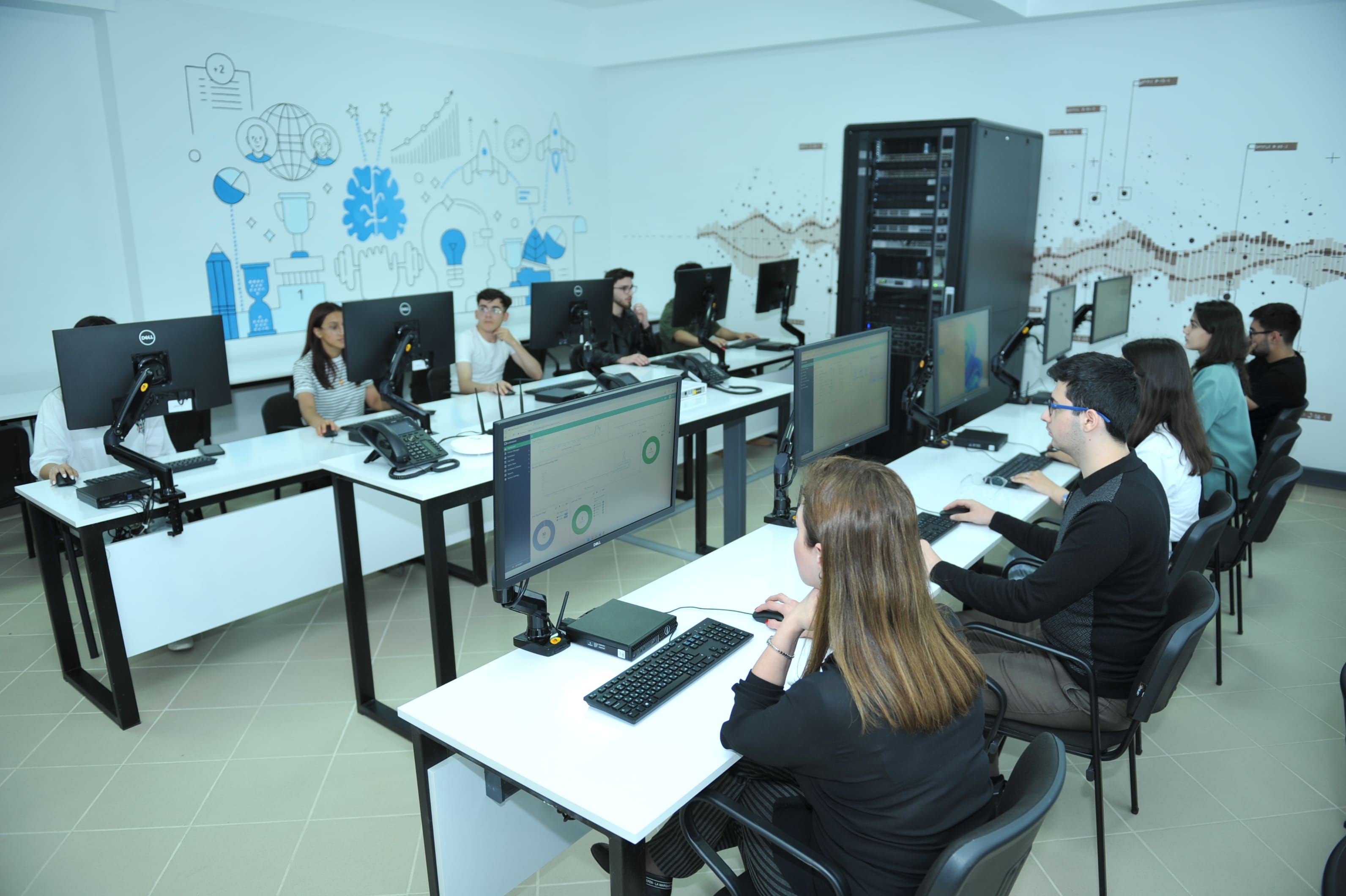
A Cyber Security Lab is a controlled, isolated environment used for studying, testing, and simulating digital defenses and attacks. It serves as a high-tech "proving ground" where security professionals, researchers, or students can experiment with malware, vulnerabilities, and network configurations without risking the integrity of a live production network.
These labs are typically categorized into two primary functions: Offensive (Red Teaming) and Defensive (Blue Teaming).
Core Objectives
- Vulnerability Assessment: Identifying weaknesses in software, hardware, or network protocols before they can be exploited by malicious actors.
- Malware Analysis: Detonating and studying viruses or ransomware in a "sandbox" to understand their behavior and develop signatures for detection
- Penetration Testing: Simulating real-world cyberattacks to evaluate the strength of existing security barriers.
- Incident Response Training: Practicing how to detect, contain, and recover from a simulated data breach.
Technical Infrastructure
A robust Cyber Security Lab requires a architecture that balances high performance with strict isolation:
- Isolation (Air-Gapping): Often, these labs are physically or logically disconnected from the internet and the main corporate network to prevent accidental "leaks" of malicious code.
- Virtualization & Containers: Using platforms like VMware or Proxmox to instantly spin up, snapshot, and wipe "sacrificial" virtual machines.
- Security Appliances: The lab often houses enterprise-grade hardware—such as Next-Generation Firewalls (NGFW), Intrusion Detection Systems (IDS), and SIEM (Security Information and Event Management) platforms—for monitoring and traffic analysis.
- Traffic Generators: Tools used to simulate massive amounts of legitimate or malicious network traffic to test the throughput and stress-limits of security hardware.
We have empaneled Industry experts in the field of Cyber security to provide relevant solutions to our customers.
Our Partners
Partnered With Industry Leaders